
Introduction
Poor surface adhesion, tiny organic contaminants and metal oxidation are the top pain points that cause low product yield, unstable bonding performance and high rejection rates in precision electronics manufacturing. Traditional wet chemical cleaning methods are gradually being phased out worldwide due to high chemical waste, strict environmental regulations and risk of damaging delicate components.
Low-temperature plasma cleaning technology has become the mainstream dry surface treatment solution for the global electronics industry. As a professional plasma equipment manufacturer from China, Maohong Plasma specializes in custom vacuum plasma cleaners, atmospheric plasma treatment systems and inline automatic plasma equipment for worldwide industrial clients. Today we will break down the core value, application scenarios and advantages of plasma cleaning for your production lines.
1. What Is Plasma Cleaning & How Does It Work?
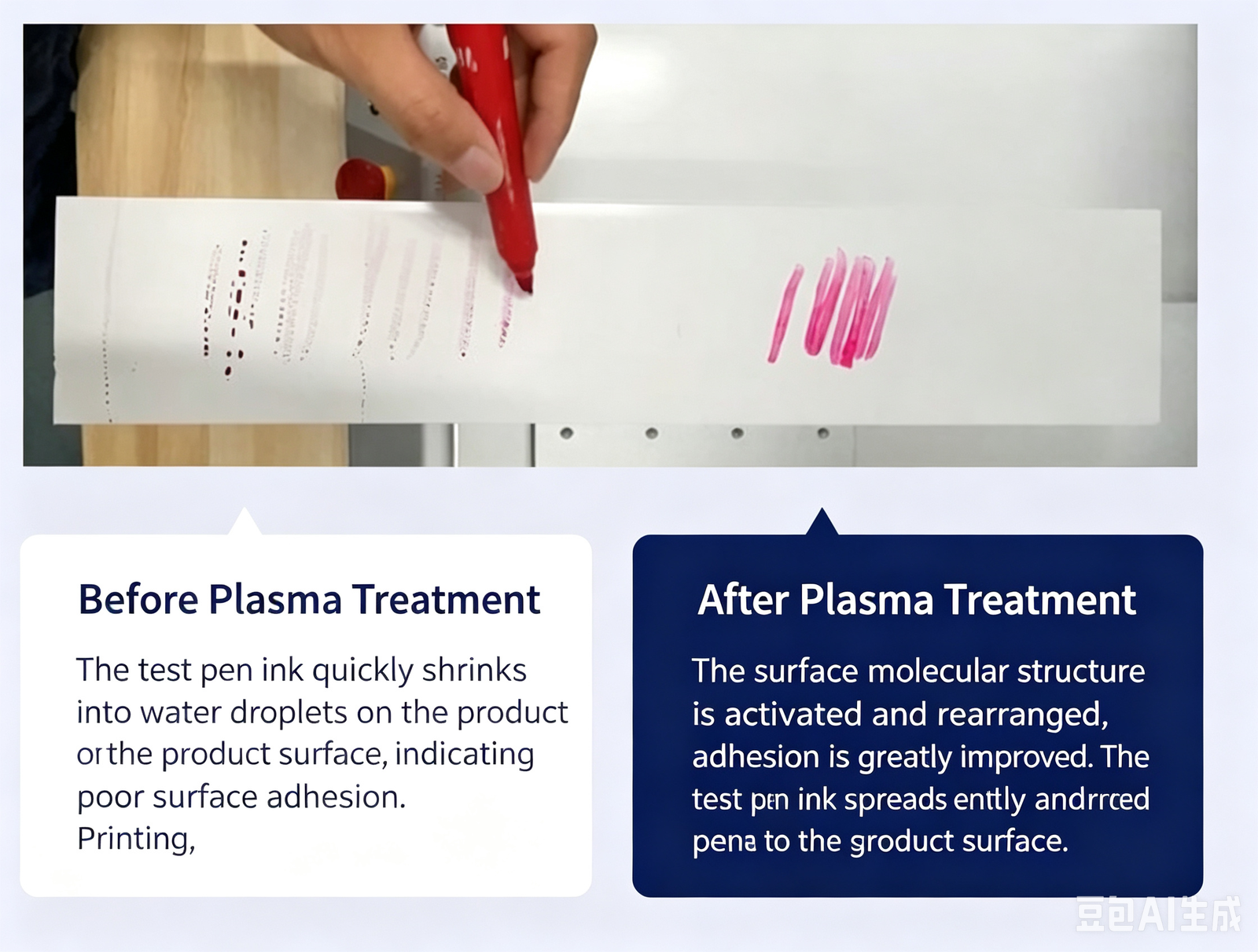
Plasma is ionized gas generated under vacuum or normal atmospheric pressure. Our plasma equipment activates inert & reactive gases (Argon, Oxygen, Hydrogen etc.) into energetic particles, which interact with material surfaces in two ways:
- Chemical Reaction: Decompose organic dirt, oil residue, fingerprint stains and photoresist leftovers completely
- Physical Sputtering: Micro-bombardment to remove thin oxide layers and micro-particles without scratching fragile substrates
The whole process runs at low temperature, uses no liquid chemicals, and causes zero damage to sensitive materials like wafers, FPC flexible circuits, ceramic chips and automotive connectors.
2. Core Industrial Application Fields
Our plasma systems are widely deployed across 4 high-demand industries:
(1) Semiconductor & Wafer Processing
Wafer surface degreasing, oxide removal before bonding, packaging cavity cleaning, BGA pad activation. Plasma treatment cuts wafer rejection rate by 15~22% for chip packaging factories.
(2) Consumer Electronics & FPC Circuit Boards
Flexible circuit board deburring, removal of residual glue, enhancing solder pad adhesion, solving cold solder joint issues during soldering. Ideal for smartphone, wearable device and tablet production lines.
(3) New Energy Vehicle Electronics
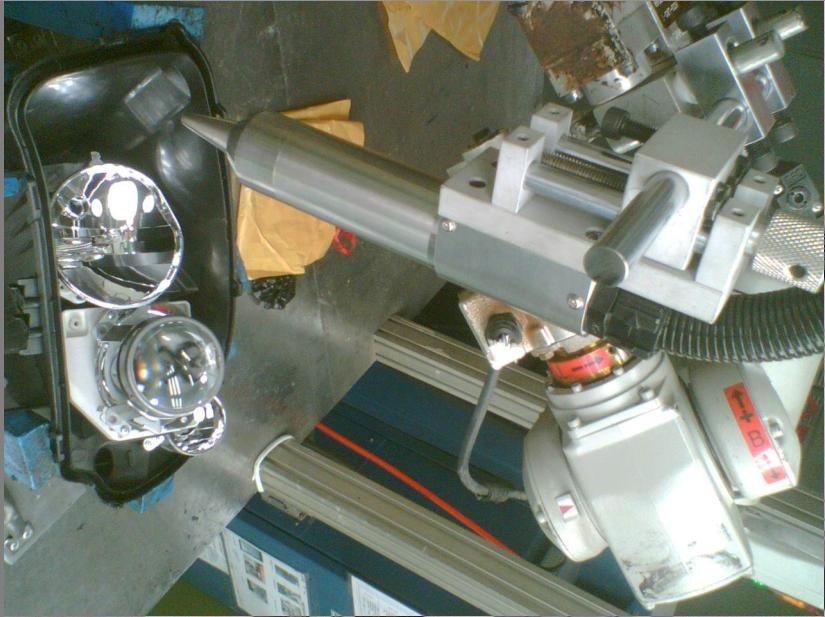
Car headlight lens bonding pretreatment, motor housing coating activation, automotive wiring harness connector oxidation cleaning. Replaces harmful primer coating, improves sealing durability and complies with EU environmental standards.
(4) Medical & Precision Plastic Parts
Biocompatible surface activation for medical catheters, plastic injection molding part printing & gluing pretreatment, meeting strict medical-grade cleanliness requirements.
3. Why Choose Maohong Plasma Equipment Over European & US Brands?
As a manufacturer with over 10 years of plasma R&D experience, we deliver balanced quality, cost and customized service for global buyers:
Stable Core Hardware
Adopts imported RF power modules and precision gas control systems, continuous 24/7 industrial operation supported, failure rate far lower than ordinary domestic machines.
Full Customization Service
We design standalone batch plasma cleaners and fully automatic inline plasma stations to match your existing production line layout; support size, power, gas channel personalized modification.
EU Safety Standard Compliance
All equipment has obtained CE certification, fully meeting European and American factory safety access requirements for industrial production equipment.
Cost-Effective & Complete After-Sales
30~45% lower overall procurement cost compared with German plasma brands; we provide overseas remote technical debugging, 1-year global hardware warranty, lifelong spare parts supply and free sample testing service for your materials.
Eco-Friendly Dry Process
Zero wastewater & chemical waste discharge, helping your factory pass ISO14001 environmental audit smoothly.
4. Common Questions From Our Global Clients
Q1: Can plasma cleaning treat all kinds of materials?
A: Yes. Our equipment is compatible with metals, silicon wafers, ceramics, plastics, glass, PCB/FPC and composite materials. We offer free pre-sample testing to verify the treatment effect for your specific products.
Q2: Is it easy to integrate plasma machines into my automatic production line?
A: Absolutely. Our engineers reserve standard automation interfaces (PLC, Modbus) for all models, seamless docking with robots, conveyor belts and assembly lines.
Q3: What about delivery time for bulk orders?
A: Standard models in stock ship within 7 working days; customized inline plasma systems take 20~35 working days for production.
Conclusion
Plasma surface pretreatment is no longer an optional upgrade but a necessary investment to raise product quality, reduce scrap loss and comply with global environmental policies.
If you are looking for a reliable plasma equipment supplier with mature overseas project experience, send us your material types and production demands. Our professional plasma engineers will tailor the most suitable solution and send you a free material test report within 24 hours.
👉 Contact our international sales team: liuww@ptplasma.com